f 2025 felt “quiet” but chaotic in your dashboards, you weren’t imagining it. Google confirmed only a handful of big rollouts, yet many teams lived through rank swings, CTR shifts, and AI features changing what “organic performance” means.
In this year-in-review, we’ll break down the confirmed google search algorithm updates from 2025, what they likely rewarded or demoted, and how to diagnose impact without falling into the classic trap of “rewrite everything.” You’ll get a stakeholder-ready timeline, a pattern-based read of what moved the needle, and a 2026 playbook for monitoring, triaging, and recovering with less guesswork.
Along the way, we’ll connect the dots between core updates, spam enforcement, and AI search experiences, so you can align content and brand signals to what Google is trying to improve: satisfying results for real users.
2025 Update Timeline: What Google Confirmed
Google officially confirmed three core updates and one spam update in 2025. Those were the headline google search algorithm updates to map against performance, even as volatility stayed high and Google reiterated that not every smaller core change gets an announcement.
March 2025 Core Update
Rolled out March 13 to 27 (about 14 days).
June 2025 Core Update
Rolled out June 30 to July 17 (about 17 days).
August 2025 Spam Update
Rolled out August 26 to September 22 (about 27 days) and, per industry tracking, hit some sites quickly, then “heated up” again during rollout.
December 2025 Core Update
Rolled out December 11 to 29 (about 18 days), with spikes in volatility reported on specific days.
Unique insight: treat these windows like you’d treat peak-season demand. Freeze risky changes (migrations, template overhauls) during rollouts, but do not freeze measurement. Your biggest competitive edge is a clean change log that can answer one question fast: “Did we change something, or did Google?”
What Actually Worked in 2025
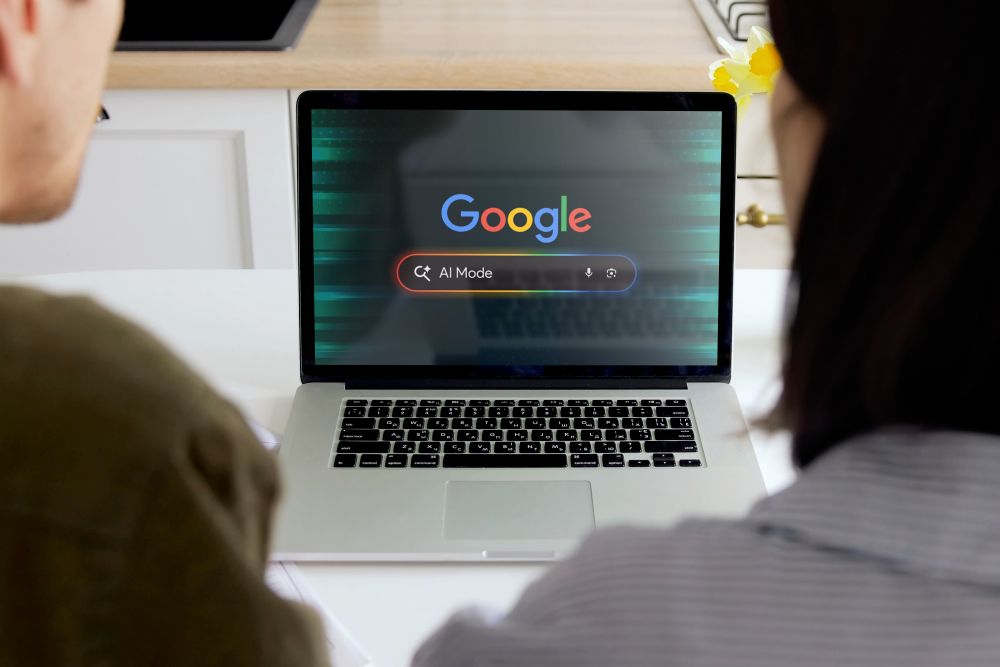
Across the 2025 google search algorithm updates, the common thread was not “more content,” it was more value per click. Treating google search algorithm updates as a content-volume game backfired. Google’s guidance for AI experiences echoes the same idea: publish unique, non-commodity content and keep pages usable and easy to navigate.
Pattern 1: Authority and Brand Demand Buffered Volatility
In an analysis of the August spam update across sites representing 95% of a large publisher network’s traffic, Raptive found that sites with strong branded search and Domain Authority (DA) 40+ tended to fare better. That lines up with what many enterprise SEOs already suspect: brand demand is an algorithm update shock absorber.
Pattern 2: “Low-Value” UX Signals Became Harder to Ignore
The same analysis flagged ads-to-content ratios above 25% as more correlated with declines, while balanced layouts performed more stably. If your revenue model forces heavy monetization, you may need a new KPI: “ad density that still lets users finish the task.”
Pattern 3: AI Overviews Shifted the Click Economy
Raptive also reported AI Overviews in sports-related searches up 45% since Q1, with click-through rates reduced by as much as 60% in some cases. Your content can “rank” and still drive less traffic. So 2025 pushed smart teams to optimize for leads, revenue, and brand recall, not just sessions.
2026 SEO Playbook: Monitor, Diagnose, Recover
If you’re thinking about recovering from the 2025 google search algorithm updates, start with process before tactics.
Step 1: Diagnose the Drop the Way Google Recommends
Google’s core update guidance is blunt: confirm the update finished, then wait at least a full week after completion before analyzing. Compare the week after with the week before the rollout began, review your top pages and queries, and separate changes by search type (Web, Images, Video, News).
Step 2: Run a Query-Cluster Triage
Instead of auditing “the site,” audit query classes during google search algorithm updates:
- Head terms vs long-tail
- Informational vs transactional
- Branded vs non-branded
- Template groups (PDPs, articles, UGC)
This is where enterprise orgs win, because you can turn chaos into a backlog. If your team needs scale, Sympler’s Enterprise SEO approach pairs segmentation with automation so fixes ship faster.
Step 3: Ship Three Recovery Sprints
Content Sprint
Add information gain, first-hand proof, and clearer intent matching.
Experience Sprint
Make main content obvious, reduce clutter, and improve navigation.
Trust Sprint
Strengthen author/editor signals, citations, and brand demand.
If you want help operationalizing this, Sympler’s Ai SEO™ can support a repeatable “measure → prioritize → ship → learn” loop across large content inventories.
Quick Takeaways
- 2025 had 3 core updates and 1 spam update, but fewer confirmations did not mean less volatility.
- Measure impact after rollouts, not mid-rollout.
- Brand demand and authority signals helped cushion sites during turbulence.
- Heavy monetization and thin pages were common risk areas.
- AI Overviews changed the CTR math, so align reporting to conversions.
- The best defense is a repeatable triage process, not one-off rewrites.
- Keep a change log, because google search algorithm updates rarely explain themselves.
Custom Visual Concepts
- 2025 Timeline Strip: A horizontal timeline showing each confirmed rollout window (Mar, Jun, Aug, Dec) with duration bars and “core vs spam” color coding.
Alt text: “google search algorithm updates 2025 timeline with core and spam rollouts” - Update Triage Flowchart: A decision tree starting with “Did a confirmed update overlap the dip?” then branching into “query cluster,” “search type,” “template,” and “content quality” checks.
Alt text: “google search algorithm updates recovery flowchart for SEO teams” - Value-Per-Click Pyramid: Base = technical accessibility, middle = page experience, top = unique information gain and trust signals, with examples in each layer.
Alt text: “google search algorithm updates framework showing content quality, UX, and trust”
FAQs
What Were the Confirmed Google Search Algorithm Updates in 2025?
Google confirmed a March core update, June core update, August spam update, and December core update, each rolling out over roughly two to four weeks.
How Long Does It Take to Recover from a Google Core Update?
Google notes that improvements can take days to months, and sometimes you may not see meaningful change until a later core update, so plan for sustained iteration.
Did the August 2025 Spam Update Target AI Content?
Google framed it as a broad spam update, but industry analysis suggested “low-value” patterns and weak original perspective were more at risk, even when sites had otherwise solid SEO fundamentals.
How Should SEOs Report Performance When AI Overviews Reduce CTR?
Tie reporting to downstream metrics: leads, revenue, assisted conversions, and branded search growth. Pair Search Console clicks with analytics conversion rates and query-level shifts.
What Is the Safest First Move After a Rankings Drop?
Confirm overlap with a known rollout, pause reactive site-wide changes, and run a query-cluster diagnosis before rewriting content. That keeps you aligned with Google’s own troubleshooting guidance.
Conclusion
The headline for 2025 is simple: fewer confirmed updates, same level of disruption. The confirmed core and spam rollouts were spaced out across the year, but the bigger change was strategic: Google kept pushing toward results that feel worth clicking, while AI experiences rewired how clicks happen in the first place.
For SEOs and marketing teams, that means the “old” playbook still matters (crawlability, intent match, strong pages), but it must be paired with a new discipline: prove your unique value. Publish content that is hard to replicate, reduce friction on the page, and invest in brand signals that make you the obvious choice when rankings wobble.
If you want a benchmark against competitors, Sympler’s Get Your Free Competitor Analysis can highlight which content clusters and SERP features you should prioritize next. And when someone promises guaranteed recovery after the latest google search algorithm updates, pointing them to The Problem with Guaranteed SEO Services can save you a costly detour.
Share Your Thoughts
What did the 2025 google search algorithm updates change for you: rankings, CTR, conversions, or all three? Share your biggest lesson, and if this breakdown helped, pass it along to a teammate who is on update watch.
References
[1] Google Search Status Dashboard. “Incidents Affecting Ranking.” Google. Accessed 15 Jan. 2026. https://status.search.google.com/incidents?hl=en&c=ranking
[2] Schwartz, Barry. “Google Algorithm Updates 2025 in Review: 3 Core Updates and 1 Spam Update.” Search Engine Land, 29 Dec. 2025. https://searchengineland.com/google-algorithm-updates-2025-in-review-3-core-updates-and-1-spam-update-466450
[3] Google Search Central. “Google Search’s Core Updates and Your Website.” Google for Developers, 10 Dec. 2025. https://developers.google.com/search/docs/appearance/core-updates
[4] Google Search Central. “Top Ways to Ensure Your Content Performs Well in Google’s AI Experiences on Search.” Google for Developers, 21 May 2025. https://developers.google.com/search/blog/2025/05/succeeding-in-ai-search
[5] Elias, Philip. “What We Learned from Google’s August 2025 Spam Update and What to Do Next.” Raptive, updated 12 Nov. 2025. https://raptive.com/blog/heres-what-we-learned-from-googles-august-2025-spam-update/