If your SEO report shows flat or declining organic clicks but revenue is still holding, it is easy to assume nothing is wrong. In 2026, that assumption is risky.
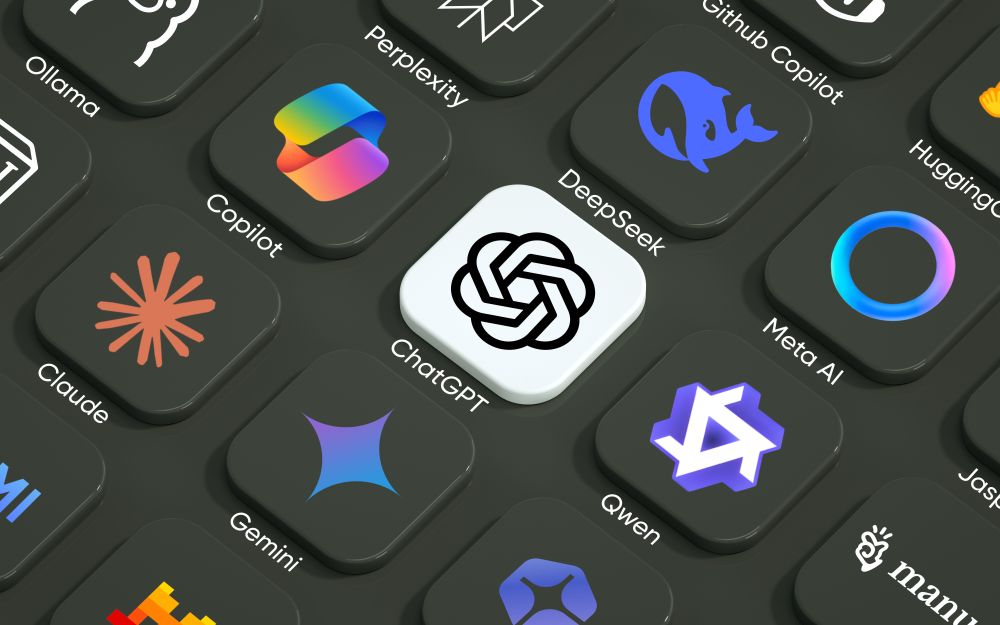
The real shift behind geo vs seo is where discovery happens. Traditional search still sends high-intent traffic, but more “first answers” now happen inside AI-generated responses. Your buyers ask Google AI Overviews, ChatGPT, Copilot, and Perplexity what to do next. If those engines summarize your category without mentioning you, you lose mindshare even if you rank.
In this guide, you will learn what GEO is, how geo vs seo changes your content strategy, and how to run a dual-optimization program that CMOs can govern. You will also get an answer-ready framework, a modern KPI set, and a rollout plan that protects the SEO performance you already paid for.
GEO vs SEO in 2026: The New Search Reality
Gartner predicts traditional search engine volume will drop 25% by 2026 as AI chatbots and virtual agents satisfy more queries. Gartner also predicts that by 2028, brands’ organic search traffic will decrease by 50% or more as consumers embrace generative AI-powered search. The exact curve will vary by category, but the direction is consistent: more answers, fewer clicks for many queries today.
That shift is visible in day-to-day behavior right now. Informational research turns into zero-click search: the question is answered in the interface. Commercial research turns into “shortlists” generated by a model. Brand discovery becomes recommendation-driven, not scroll-driven.
Prompts are also longer and more specific, so “the best answer” often competes with the top link.
That is why geo vs seo is not a rebrand. It is a channel shift. SEO optimizes for rankings and visits. GEO optimizes for being selected, summarized, and cited inside AI responses. For CMOs, that makes AI search optimization a visibility problem, not a content fad.
Unique insight: treat AI answers as a brand distribution layer, similar to social feeds. Your goal is “be the source the model is comfortable repeating.”
GEO vs SEO: What Changes and What Stays the Same
Here is the simplest way to frame geo vs seo:
- SEO: help search engines rank your pages so users click through.
- GEO: help AI systems use your content to generate the answer.
The foundations overlap. The same principles that power strong SEO still matter for GEO: intent understanding, topical authority, and trust. Semrush notes the big differences are how content is shown and how success is measured, shifting from traffic to citations and share of voice. Semrush also highlights a Bain & Company finding that many users resolve queries without clicking links. That forces a KPI reset for CMOs.
Two practical implications:
Output and Measurement Shift
SEO wins by earning the click. GEO wins by earning the mention. You still want conversions, but your leading indicators become brand mentions, citations, and downstream branded demand.
Technical Eligibility Is Not Magic
Google is explicit: to be eligible as a supporting link in AI Overviews or AI Mode, a page must be indexed and eligible to show a snippet, and there are no additional technical requirements beyond standard Search requirements. Translation: keep technical SEO tight, then focus your content on extractable passages.
How GEO Changes Your Content Strategy
The real unlock in geo vs seo is changing what you ship.
Build Answer Blocks, Not Just Pages
AI systems pull passages. Adopt a passage-level mindset: one block, one intent, one claim. Add crisp definitions, short lists, and tables.
Go Entity-First and Citation-Ready
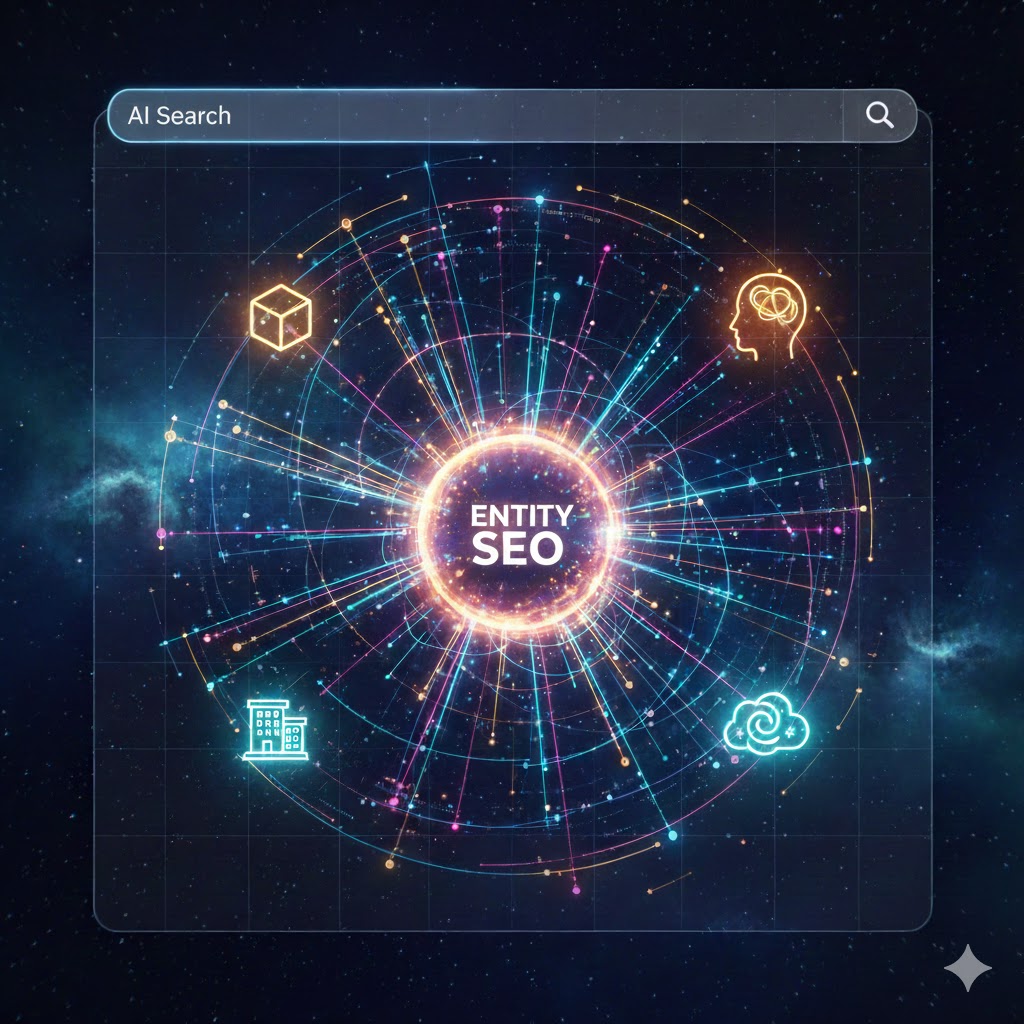
Use consistent entity names and define relationships (“X is a Y used for Z”). Reinforce them with internal links. Sympler’s Entity SEO for AI Search: Schema & Strategy shows how to model entities.
Use Structured Data as a Performance Multiplier
Google’s structured data documentation includes case studies. Rotten Tomatoes reported 25% higher CTR on pages enhanced with structured data. Structured data improves understanding and eligibility.
3 Visual Concepts to Include
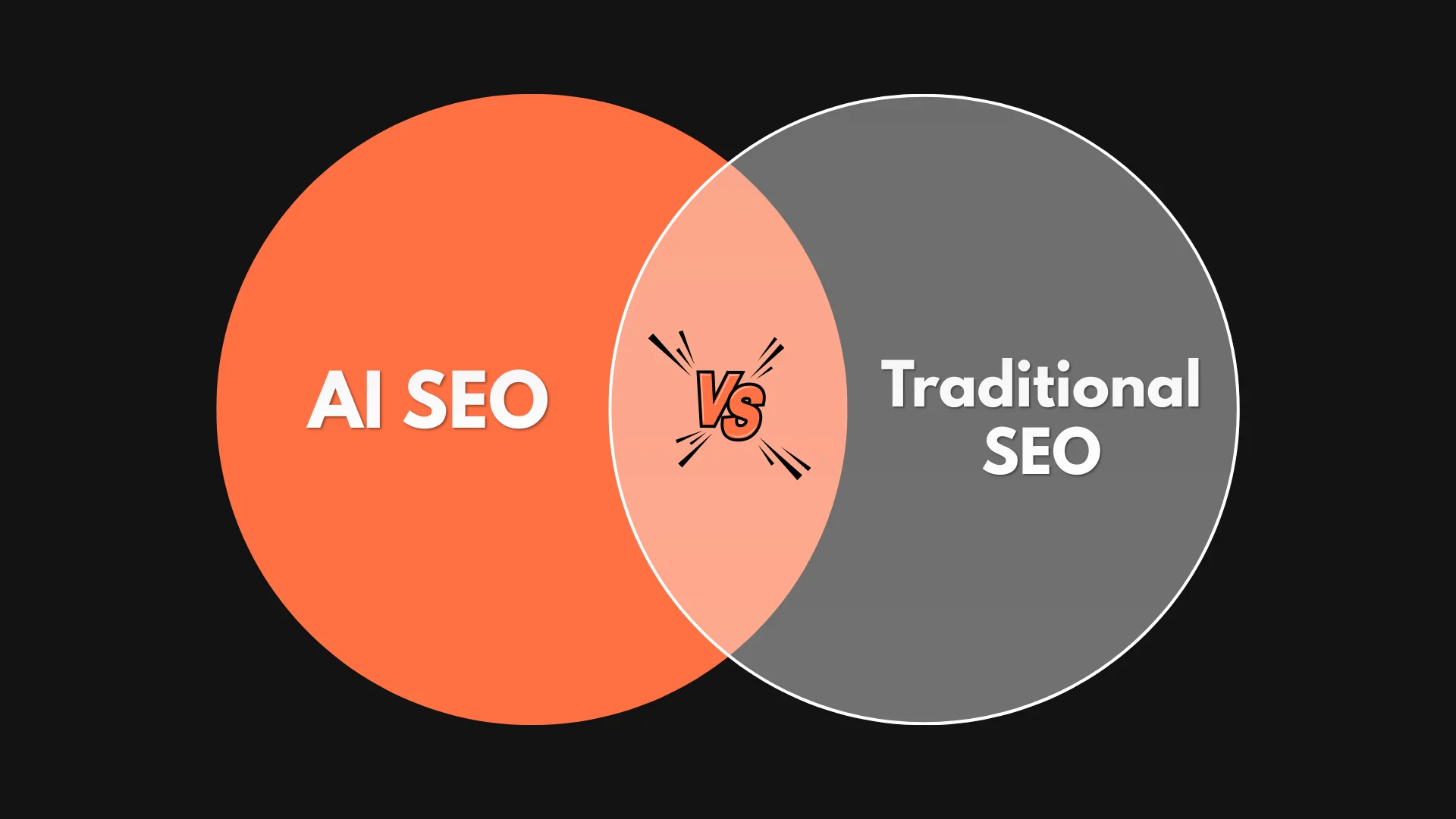
- GEO vs SEO Venn Diagram
Alt text: “geo vs seo venn diagram of overlap between seo and generative engine optimization” - Answer Block Blueprint Infographic
Shows: definition paragraph, bullets, mini-table, FAQ pair, and a cited stat callout.
Alt text: “geo vs seo answer block blueprint for ai overviews and chatgpt citations” - Dual KPI Dashboard Wireframe
Shows: “SEO KPIs” beside “GEO KPIs” like AI citations, brand mentions, and share of voice.
Alt text: “geo vs seo dashboard with ai visibility metrics and seo traffic metrics”
How to Execute GEO Without Breaking SEO
To operationalize geo vs seo, do not create a separate team that fights your SEO lead for resources. Run GEO as an extension of your existing content lifecycle.
Step 1: Audit Prompts, Not Just Keywords
Start with revenue themes, then map them to buyer questions: “What is X?”, “X vs Y?”, “Best X for Y,” and “How does X work?” Pair this with a baseline competitive scan, and Sympler’s Get Your Free Competitor Analysis helps you spot where you are missing from the conversation.
Step 2: Upgrade Existing Winners
Pick 10 to 20 pages that already rank or convert. Add answer blocks, tighten definitions, and add citation-friendly facts with clear sourcing. Because Google’s AI features ride on normal indexing and snippet eligibility, these upgrades can support both GEO and SEO.
Step 3: Add Governance and QA
Create a lightweight review step for AI risk: fact-checking, entity consistency, and tone. This is where E-E-A-T for AI search becomes operational.
Step 4: Report the New Scorecard
Add AI visibility metrics to weekly reporting: citation frequency, brand mention share, and downstream branded search. Keep classic KPIs as the scoreboard, and treat GEO metrics as leading indicators.
Quick Takeaways
- geo vs seo is a KPI shift as much as a content shift.
- GEO is about answer inclusion; SEO is about rank and click.
- Build answer blocks so AI can extract clean passages.
- AI Overviews still depend on indexing and snippet eligibility.
- Track citations and share of voice alongside leads.
Conclusion
You do not need to pick a side in geo vs seo. You need one strategy with two outcomes: traffic and answer visibility for your category, and protect pipeline performance over the long term.
SEO still drives bottom-funnel demand. It captures high-intent research, “pricing,” “near me,” and “comparison” searches that people still click. GEO protects and expands discovery when early-stage questions get answered without a visit. Gartner’s forecasts on declining search volume and organic traffic are a warning that the interface is changing, not a claim that search is dead.
The CMO move is to operationalize this shift with an operating model:
- Rebuild reporting around a dual scorecard: clicks and leads plus mentions and citations.
- Update your best pages with passage-level clarity, entities, and structured data.
- Assign ownership for answer accuracy so the content your brand is known for is the content AI systems repeat.
- Run a quarterly GEO pilot focused on pipeline prompts, then scale what wins.
If you want a faster path to execution, Sympler’s Ai SEO™ approach is built for this reality: more visibility, more growth across classic search and AI-driven answers.
FAQs
Does GEO Replace SEO for B2B Marketing Teams?
No. GEO extends visibility into AI answers while SEO continues to drive high-intent organic traffic.
How Do I Measure AI Citations and Share of Voice?
Track brand mentions and citations for priority prompts, then benchmark competitors to estimate share of voice.
What Content Formats Improve AI Overviews Optimization?
Definition paragraphs, bullet lists, small tables, and FAQ sections improve extractability for AI Overviews and chat responses.
Is Structured Data Worth It for a Generative Engine Optimization Strategy?
Yes. Structured data improves machine understanding and can lift CTR in rich results, supporting both SEO and GEO.
How Fast Can GEO Changes Impact Pipeline?
Early visibility shifts can appear in weeks, but pipeline impact compounds over months as citations drive branded demand.
Share Your Take
If this geo vs seo framework helped, share it on LinkedIn and tell us: what will you optimize first?
References
- Gartner. “Gartner Predicts Search Engine Volume Will Drop 25% by 2026, Due to AI Chatbots and Other Virtual Agents.” Gartner Newsroom, 19 Feb. 2024.
2. Gartner. “Gartner Predicts Fifty Percent of Consumers Will Significantly Limit Their Interactions With Social Media by 2025.” Gartner Newsroom, 14 Dec. 2023.
3. Paruch, Zach. “GEO vs. SEO: A Comparative Guide for Digital Marketers.” Semrush Blog, 20 Nov. 2025.
4. Google Search Central. “AI Features and Your Website.” Google Developers, n.d.
5. Google Search Central. “Introduction to Structured Data Markup in Google Search.” Google Developers, n.d.

Sean is a renowned expert in AI Automation, technology, and marketing strategy with over 20 years experience in SEO and digital marketing. He has spearheaded digital transformation initiatives for some of the world’s most recognizable brands, including Amazon, Chipotle, Lending Tree, and Home Advisor. As a visionary technologist, Sean specializes in leveraging advanced automation to eliminate operational waste, enhance predictive capabilities, and streamline complex business processes. His strategic guidance empowers enterprises to harness technology for scalable growth and operational excellence. Sean is also an accomplished photographer and videographer.